

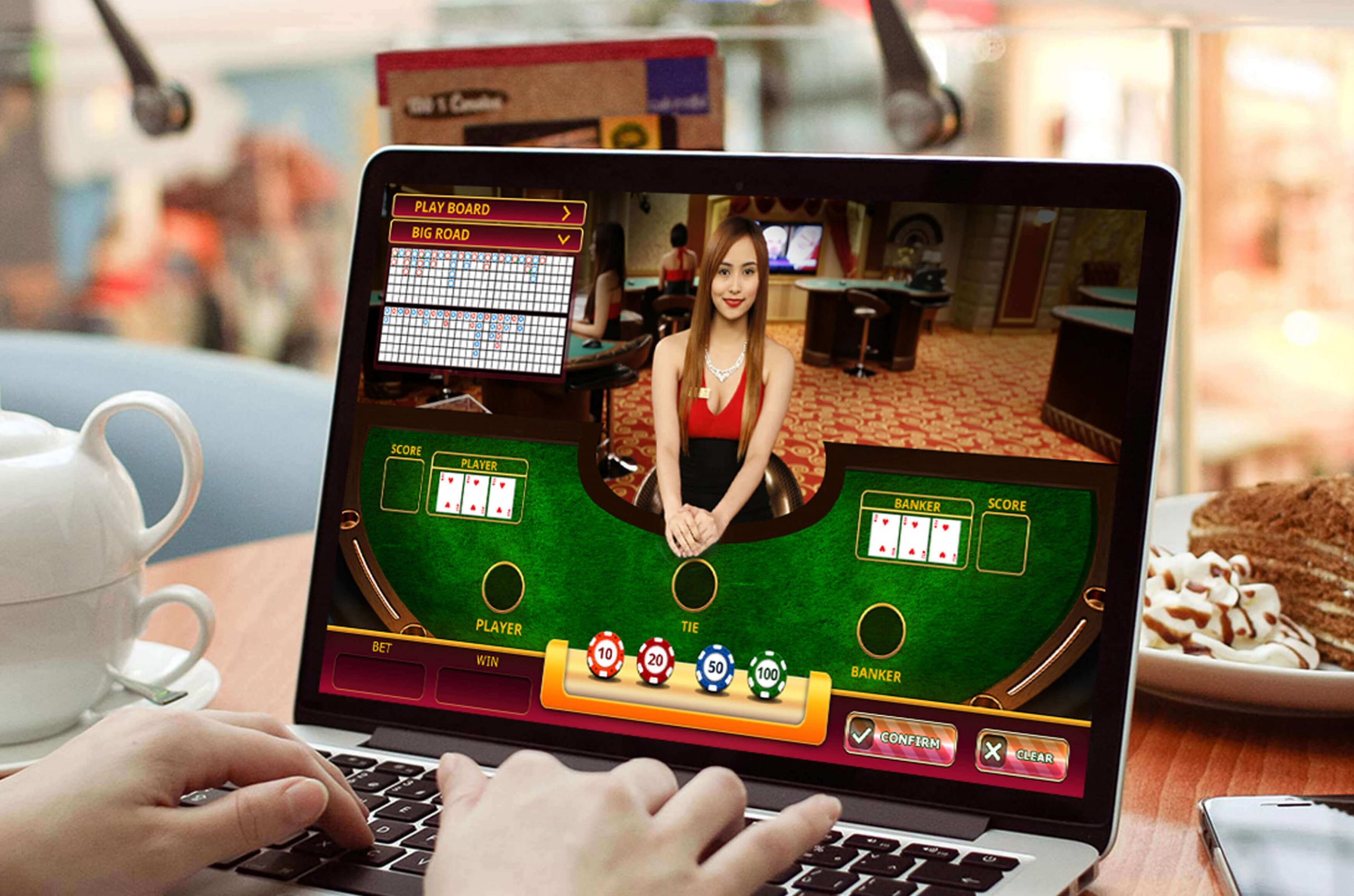
A fresh kind of event is preparing to launch in the United Kingdom https://slotbook.games/book-of-the-fallen/. It blends the gruelling test of a marathon with the tactical play of an online slot game. The Marathon Running Break Book of the Fallen Slot Sport Event expects runners to include sessions of the Book of the Fallen slot directly into their training plans. This isn’t intended to be a distraction. Instead, organisers frame it as a structured mental break, a way to reset focus and aid cognitive recovery during tough physical preparation. The idea accepts that athletic performance is about more than just legs and lungs; the mind needs training too. These scheduled gaming pauses aim to explore how managed digital leisure affects a runner’s routine and mental state.
The Thinking Behind the Marathon Running Break
The Marathon Running Break event stems from modern ideas on athletic recovery and mental strain. Running 26.2 miles is physically grueling and mentally repetitive, a formula for burnout without proper handling. This event proposes a solution: scheduled, short bouts with the Book of the Fallen slot game as a type of active mental diversion. The thinking goes that redirecting your brain to a different type of activity—one involving symbols, bonus games, and a mild storyline—can provide the brain circuits worn down by steady physical concentration a real break. This is not a recommendation of extended play sessions. It’s about intentionally employing a short, engaging task to box up training stress. The goal is to enable runners get back to their next session feeling mentally sharper.
Linking Two Separate Fields
Long-distance running and virtual slot gaming seem like complete opposites. One is a pure physical endurance feat outdoors. The other is a digital game of chance and attention, usually played indoors. But the people behind this event see some common ground. Both require sustained focus. Both require handling expectation. Both measure your resilience against variable results, be it a tough incline or the result of a spin. The Book of the Fallen slot, with its quest theme and bonus features, asks for a degree of strategic thinking that can work as a cognitive reset button. The true challenge is in the combination. The gaming break must function as a recovery aid without compromising the athletic discipline that marathon success depends on.
Framework and Guidelines of the UK Event
The event runs on a firm set of rules to safeguard participants and maintain the integrity of both activities. It is available to runners aged 18 and older who are registered for an official UK marathon this year. Everyone must record their training runs and post-run Book of the Fallen sessions through a dedicated website portal. One non-negotiable rule: gaming is only allowed after a training run is completed, never before. This eradicates any chance that fatigue could impair running form or cause injury. Every gaming break is hard-capped at twenty minutes. This underscores the idea of a controlled, mindful pause, not an extended play period. Performance in the slot game, tracked by specific in-game achievements, contributes to a separate points leaderboard. This leaderboard has no connection to running performance.
Oversight and Participant Safety
Merging physical exertion with gaming is delicate territory. The event has established safety and monitoring protocols to address this. The organisers collaborate with responsible gambling groups to offer every participant mandatory resources on safe play limits and self-assessment tools. The twenty-minute limit on gaming is non-negotiable, a design feature to stop excessive play. Participants are also encouraged to use the deposit limit tools offered by their chosen licensed operator. The marathon is always the main event. The gaming part is strictly an voluntary, regulated interlude. If any participant is found to be harming their training or personal wellbeing, they will be given advice and could be excluded from the event challenge.
Analyzing the Book of the Fallen Slot Features
To get why this particular slot was selected, you must to comprehend how it functions. Book of the Fallen is a video slot that employs the well-known “Book” mechanic. Here, a unique symbol acts as both a wild and a scatter. This symbol can expand to cover a whole reel, offering big win possibility in the base game and during bonus rounds. The theme draws on ancient myths about fallen heroes, introducing a narrative layer that pulls in your imagination. The bonus feature usually starts when you land three or more book symbols. It leads you to a free spins round where one symbol is randomly picked to expand, offering a distinct and captivating target. These mechanics provide a complete, self-contained experience that matches neatly into a short break. It provides a combination of anticipation, strategy, and resolution.
Strategic Engagement Over Passive Play
Book of the Fallen was a intentional pick because it requires for more strategic thought than simpler, more passive slots. Players have to pick their bet size for each spin, manage their session bankroll, and actively engage with the bonus feature when it starts. This level of cognitive involvement is crucial to the event’s premise. It creates a mental shift that fully holds the participant’s attention, which should allow a genuine break from thoughts about pace, distance, or carb-loading. The game’s volatility and the potential for longer bonus rounds mean results aren’t always quick. This requires a calm, focused approach that oddly mirrors the mindset useful for long-distance running. The strategic layer distinguishes it apart from basic games, making it a more appropriate tool for cognitive diversion.
Possible Benefits for Runner Psychology
Advocates of the event cite several potential psychological advantages for marathon trainees. The largest proposed advantage is cognitive detachment. By fully immersing yourself in a alternative, rule-based activity, you might achieve a more thorough mental recovery than you might from just lounging on the sofa. This detachment may lessen the impact of chronic training stress and cut through the monotony. Also, the gaming break serves as a tangible reward after a run. This may help reinforce training consistency. The short-term, achievable goals inside the slot game generate immediate feedback loops. These stand in stark contrast with the distant, monumental goal of finishing a marathon. Mixing up the goal structure may help maintain overall motivation and emotional balance during a demanding training block.
The event also creates a distinct kind of community and shared experience, distinct from the usual running club chatter. Participants bond over an unconventional challenge, sparking conversations that aren’t only about split times and sore muscles. This can ease performance anxiety and create a broader support network. The mental discipline necessary to follow the twenty-minute gaming limit also develops impulse control and time management. These skills apply directly to disciplined training and race execution. It prompts runners to see recovery as an intentional process. This perspective could lead to a more enduring and thoughtful approach to their entire athletic routine.
Critiques and Moral Concerns
This initiative has received strong criticism from multiple directions. Health professionals and some athletic associations worry about directly connecting a strenuous sport with an activity that entails financial hazard and addiction possibility. Critics say normalising slot gaming in a health-focused framework delivers a confusing signal. It may subject people to gambling options under the pretext of athletic recovery. There is a fear that people prone to addictive behaviours could view the structured structure as a pathway to more restricted play, despite of the event’s safeguards. Ethical questions have been raised about commercializing a runner’s recuperation time by guiding them toward a particular slot game product. This emphasizes the commercial alliance that makes the endeavor feasible.
Reactions from Organizers and Collaborators
Facing these criticisms, the event organizers and the authorized provider for Book of the Fallen have doubled down their pledge to safe gambling. They emphasize that the event is a voluntary task for mature individuals. Taking part demands unequivocal opt-in and acknowledgment of the dangers. Every piece of promotional material and the participant portal is equipped with references to GamCare, BeGambleAware, and tools for configuring deposit restrictions and self-exclusion. The partnership is transparent. No financial incentive is given for taking part in the gaming aspect. Organisers state their objective is to examine behaviour patterns in a supervised context. They aim to bring to wider conversations about digital recreation and cognitive restoration. They recognize that the approach will be scrutinized and acknowledge it may not be appropriate for all.
Training Integration: A Athlete’s Plan
So what does a usual week seem for someone in this challenge? The gaming breaks are incorporated into the training schedule with clear intent. After a long Sunday run of 18 miles, a runner might do a twenty-minute Book of the Fallen session as part of their cooldown. The idea is to use the game’s mechanics to switch mental gears. A mid-week tempo run or interval session, which demands high concentration on pace and effort, could be accompanied by another short break. The game becomes a method to decompress from that intensity. Consistency and the post-run rule are essential. Participants are advised to treat the gaming break like stretching or hydrating, a designated part of recovery. It should never be a impulsive or drawn-out activity. The event monitors this disciplined integration, measuring consistency far more than gaming success.
The schedule deliberately does not place gaming breaks on rest days. This reinforces that the activity is an add-on to training, not a substitute for other recovery methods like sleep, good nutrition, or physio. Participants can log their subjective feelings of mental fatigue before and after each gaming session, plus their perceived readiness for their next run. This data collection is optional, but it forms the essence of the event’s research angle. By looking at these self-reported metrics across a diverse range of runners, the organisers hope to spot patterns or correlations. They are certain, however, that this data is preliminary and observational. The participant’s main marathon training plan, whether from a coach or a reputable source, stays the consistent core of their entire regimen.
The Outlook for Hybrid Sporting Events
The Marathon Running Break event is part of a small but growing trend to hybridise physical sports with digital or mental tasks. What happens next for this notion, and others like it, is largely determined by the results and reception of this UK pilot. If the collected data shows a neutral or positive effect on participant wellbeing and training consistency, without increasing gambling harm, similar models could arise. Future versions might use puzzle games, strategic card games, or other digital activities with lower financial stakes. The aim would be the same: cognitive diversion. This model also raises questions for traditional sporting institutions. Would they ever formally recognise or regulate these kinds of ancillary challenges within their own events?
At its core, the event is a social test. It sits at the crossroads of modern leisure, sports psychology, and digital life. Success won’t just be counted in participant figures. It will be judged by the quality of conversation it starts about responsible gaming, athlete recovery, and what a sporting community can become. Whether this becomes a quirky footnote or pioneers a new category of participatory events, it captures a specific cultural juncture. The lines between physical and digital pastimes are fading. The long-term effects on how athletes handle mental load, and how gaming companies interact with wellness stories, will be closely monitored by people in both industries.